Metro Boomin’s ‘Heroes & Villains’ Captivates By Accentuating His Collaborators’ Best Superpowers
on
Get link
Facebook
X
Pinterest
Email
Other Apps
Boominati Worldwide & Republic Records
The RX is Uproxx Music’s stamp of approval for the best albums, songs, and music stories throughout the year. Inclusion in this category is the highest distinction we can bestow, and signals the most important music being released throughout the year. The RX is the music you need, right now.
Metro Boomin’sHeroes & Villains arrives two years after he secured his second No. 1 album beside longtime collaborator 21 Savage with Savage Mode II. The sequel effort itself arrived four years after 2016’s Savage Mode, a body of work that helped launch 21 Savage into the mainstream spotlight (with the assistance of features alongside Drake and others). With Heroes & Villains, Metro ventures further into the darkest corners of the world. His debut album Not All Heroes Wear Capes dabbled in slight mischief more than it did deviance and malice. It was playful enough thanks to lighter moments like “Only You” with J Balvin and Wizkid as well as “Borrowed Love” with Swae Lee and Wizkid. Savage Mode II embraced the above-the-law mindset and all the mischief, but with a lot of flexing and braggadocious bars courtesy of 21 Savage’s trademark punchlines and infinite Rolodex of threats and warnings. Heroes & Villains welcomes thunder and gloom as it glorifies a world where bad not only occurs, but thrives.
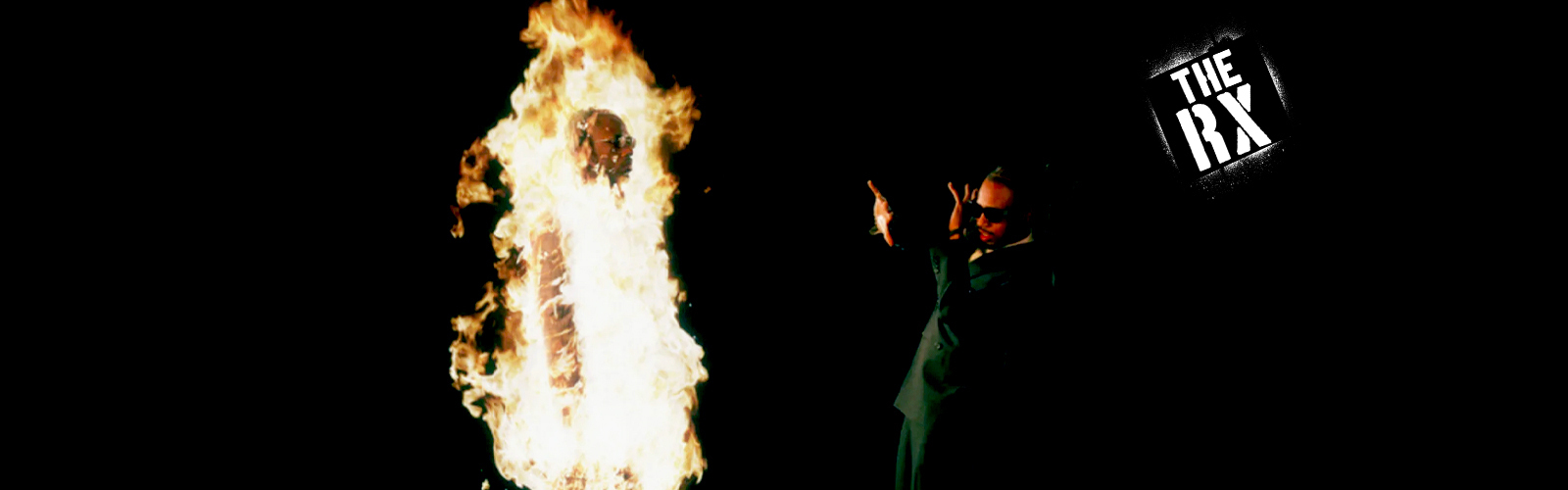
On Heroes & Villains, Metro Boomin is merely trying to weather the storm – that’s at least one way to look at it. The storm in question could be the one 21 Savage and Young Nudy detail on “Umbrella.” A soul sample introduces the song before 21 and Nudy terrorize the grimacing beat. 21 threatens to make the “choppa sing like it’s Adele” while Nudy furthers the agenda by adding, “Switch on the b*tch, finna whoop me a n**** / Think I was his mama when I get done.” The thing about Heroes & Villains is you don’t necessarily know who’s the hero and who’s the villain. As Future raps about turning “into a superhero” on “Superhero,” he returns later in the album to say he “can’t save no hoe” with Don Toliver on “I Can’t Save You (Interlude).” As Metro Boomin the hero and Metro the villain shake hands on the album’s artwork, Heroes & Villains notes that we can be both in the same person. The world certainly needs saving, but from who exactly?
Aside from the album’s thunderous sonic and heroic themes, Heroes & Villains on the surface is another display of Metro’s fine and wide-ranging work. He shines as a conductor that soundtracks 21 Savage’s determined mission for retaliation on “Walk Em Down” as well as The Weeknd’s airy plead to go uninformed about possible infidelity on “Creepin.’” In totality, the flashy “Feel The Fiyaaah” with ASAP Rocky and the late Takeoff exemplifies the album’s brightest moments, while the gloom of Travis Scott and Young Thug’s “Trance” foreshadows the danger that lurks between the drums and hi-hats of Heroes & Villains.
A decade ago, Metro Boomin was a mere upstart in the hip-hop world. Now he’s a greatly respected producer who’s earned the respect of the industry thanks contribution to the career of superstars like Future, Travis Scott, and Young Thug. The beautiful thing about Metro’s rise alongside these artists, and others like 21 Savage, Gunna, and Migos, is that they continued to stay in touch and collaborate regardless of their fame. As Metro helped to soundtrack the stories of the aforementioned rappers, these same artists returned to help the chart-topping producer complete his stories. It started with Not All Heroes Wear Capes and continues with Heroes & Villains. It’s up to you to determine who the heroes and villains are, but one thing’s for sure, they sure know how to work together when needed.
Heroes & Villains is out now via Boominati Worldwide/Republic Worldwide. You can stream it here.
Hip Hop and Music: A Cultural Evolution and What Listeners Look For
Hip hop is more than just a genre of music; it is a cultural movement that has deeply influenced the world for over four decades. Originating in the South Bronx during the 1970s, hip hop was birthed from the creative expression of marginalized communities. What started as a fusion of DJing, breakdancing, graffiti art and MCing (rapping) quickly became a global phenomenon. Over the years, hip hop has expanded its reach, influencing various aspects of society, from fashion and language to politics and social movements. But what exactly do listeners seek when they tune in to their favorite hip hop tracks? Let’s explore.
The Evolution of Hip Hop Music
The Evolution of Hip Hop Music
At its core, hip hop music is built on rhythm and lyricism. Early pioneers like DJ Kool Herc, Grandmaster Flash, and Run-D.M.C. laid the foundation for what we now recognize as hip hop. They mixed disco, funk, and soul beats with rhythmic rapping to create a unique sound. Through the 1980s and 1990s, iconic artists such as Tupac, The Notorious B.I.G., Nas, and Jay-Z further shaped the genre, adding deeper narratives that explored social issues, struggles, and triumphs.
In the 2000s, hip hop saw its golden age evolve into new sub-genres, from Southern hip hop (e.g., OutKast and Lil Wayne) to the rise of trap music (led by artists like Future, Gucci Mane, and Migos). Today, artists continue to experiment with hybrid sounds, blending trap with pop, rock, and electronic music, creating a more diverse landscape for the genre.
What Listeners Look for in Hip Hop Music
What Listeners Look for in Hip Hop Music
While the genre has evolved, the heart of hip hop music still beats with certain core elements that listeners continue to seek. Here’s what attracts audiences to hip hop music:
1. Authenticity
One of the most important qualities of hip hop is its authenticity. Listeners are drawn to artists who stay true to themselves, their roots, and their experiences. Whether an artist is rapping about overcoming hardship, life in the streets, or personal triumphs, their genuineness resonates with fans. Authenticity gives hip hop its raw edge, connecting the artist's voice with listeners on a deeply personal level.
2. Lyricism and Wordplay
Hip hop has always been a platform for storytelling, and the craft of lyricism is highly valued. Fans look for clever wordplay, metaphors, punchlines, and deep storytelling in their favorite tracks. Rappers like Kendrick Lamar, J. Cole, and Nas are revered for their intricate lyricism and ability to convey powerful messages through their words. A song with sharp bars, vivid imagery, and emotional depth can elevate a listener’s connection to the music.
3. Beat and Production Quality
The beat is often the first thing people notice in a hip hop song. A catchy, hard-hitting beat can make or break a track, and producers play an integral role in shaping the sound of hip hop music. Producers like Dr. Dre, Kanye West, and Metro Boomin have become household names for their distinctive production styles. From boom-bap beats to trap drums, the instrumental elements are essential in drawing listeners into the rhythm and groove of the song.
4. Innovation and Evolution
Hip hop is known for its constant evolution. Fans of the genre are often on the lookout for artists who push boundaries and experiment with new sounds. This spirit of innovation keeps the genre fresh and exciting. From the rise of auto-tune with artists like T-Pain to the blend of electronic and rap seen with artists like Travis Scott, listeners are eager for new music that challenges the traditional limits of hip hop.
5. Vibe and Energy
Hip hop isn’t just about the lyrics or the beat—it’s also about the energy the music brings. Whether it’s a party anthem, an introspective track, or a political statement, the vibe and energy of a song play a crucial role in how it resonates with fans. Artists like Drake, Cardi B, and Lil Uzi Vert have mastered the art of creating tracks that make listeners feel a certain way, whether it’s hyped up, laid back, or reflective.
6. Relatability and Emotional Connection
Hip hop has always been an outlet for self-expression and commentary on life experiences. Because of this, listeners often gravitate toward songs that reflect their own lives, struggles, and aspirations. Whether it’s a song about the challenges of growing up in a tough environment, the celebration of personal success, or the experience of love and heartbreak, hip hop has the unique ability to connect emotionally with audiences. Fans often seek songs that speak to their individual journeys and provide comfort, validation, or empowerment.
The Global Reach of Hip Hop
What was once confined to the streets of New York City has now become a global cultural force. From Tokyo to Paris, hip hop has spread across continents, influencing artists and listeners worldwide. In recent years, artists from outside the U.S. have brought their own cultural influences to the genre, blending hip hop with local sounds, languages, and traditions. The genre’s global reach is a testament to its universal themes of struggle, self-expression, and empowerment.
Conclusion
Hip hop music is an ever-evolving cultural powerhouse that has grown from a localized subculture into a global sensation. The authenticity, lyricism, production quality, innovation, energy, and emotional depth are the main ingredients that attract listeners to hip hop. While the genre continues to change, its core values remain consistent—offering a space for self-expression, storytelling, and connection. As hip hop continues to evolve, it will undoubtedly remain a major force in shaping the future of music. Whether you’re a fan of classic boom-bap or modern trap, hip hop’s diverse range offers something for everyone, proving that its cultural impact is here to stay.
Comments
Post a Comment