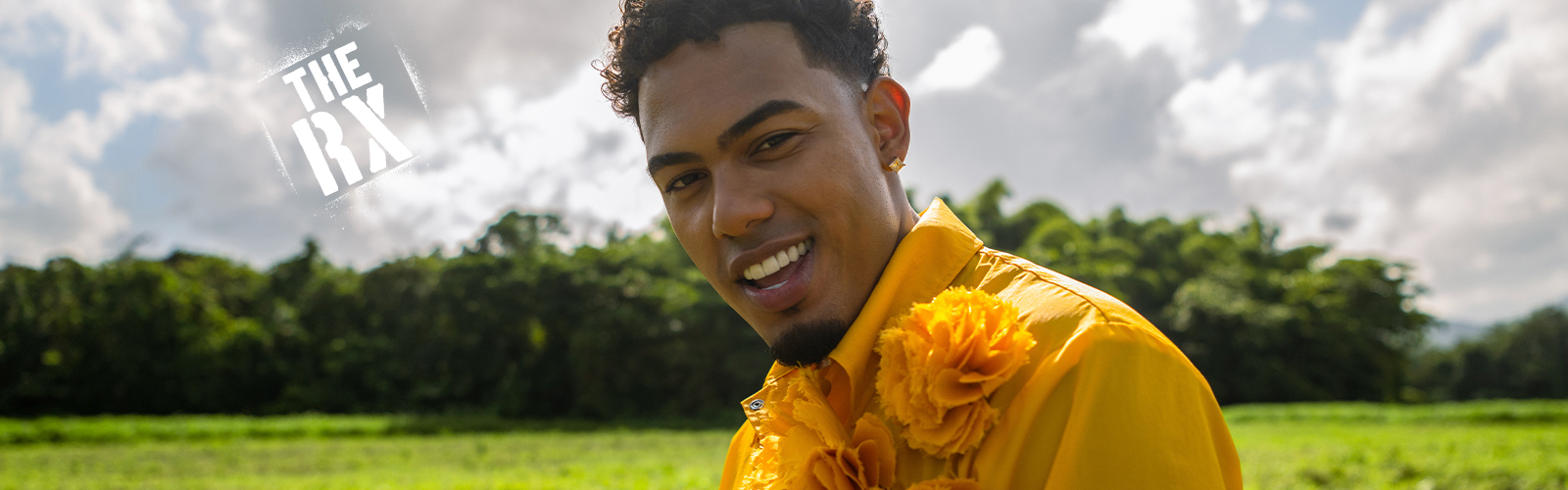
The RX is Uproxx Music’s stamp of approval for the best albums, songs, and music stories throughout the year. Inclusion in this category is the highest distinction we can bestow, and signals the most important music being released throughout the year. The RX is the music you need, right now.
After solidifying himself as one of Latin music’s top rappers, Myke Towers is proving there’s no limits to his flow with his genre-bending album La Vida Es Una. While delivering more reggaeton and Latin trap bangers, the Puerto Rican artist also dabbles in Afrobeats, R&B, and house music influences. Towers shows that he’s an all-around Latin pop star on his LP, which features J Balvin, Daddy Yankee, Arcángel, and Ozuna.
Towers made his debut in 2020 with his first album, Easy Money Baby. The LP boasted his breakthrough hit “Si De Da” with Farruko. After scoring multiple reggaeton hits, he returned to his Latin trap roots with his 2021 album Lyke Mike. As an established force in both genres, Towers is now pushing his flow to new places while embracing a global sound that his fans around the world can enjoy.
“Lyke Myke was something more for me,” Towers says. “With this album, I’m thinking more about my fans, what they want, and the kind of music they want to hear live. I made this album being more conscious of what people are looking for from me.”
The album’s title translates to “You Only Live Once” in English and Towers embodies that feel-good energy throughout the 23 tracks. Over Zoom, he caught up with Uproxx about what he wants his fans to take from La Vida Es Una, his big collaborations, and what’s coming next.
Why did you decide to name your album La Vida Es Una?
I gave it that name because lot of things have happened like with the pandemic. It makes you think, “There’s not a lot of time to follow your dreams, so have to give it your all.” They say you that you have take advantage of your time here and enjoy it. I’m always conscious of things like that. That you only live once.
In addition to reggaeton and trap, you explore genres like Afrobeats, R&B, reggae, and house music album. Why did you decide to branch out into those genres?
I wanted to take risks on a musical level and do things that I’m not used to. I’m at a level where I have a lot of fans so I have that responsibility to please them. I can’t limit myself. Thanks to them I’m at where I’m at now. I’m doing the music that I like to do with a mix of what my fans are asking for. With this album, we’re separating the Myke Towers with the “y” from the [Mike] with the “i.”
You collaborated with J Balvin for the song “Celos.” What was that experience like working with him?
I have a lot of respect and admiration for Balvin. He’s a guy that’s super humble. For example, if you write to him in a DM on Instagram, he will respond to you right away. That’s something that you don’t expect from him at the level of fame that he’s at. I’m always like a little boy asking many questions with people like him because I like to learn. We had a great time when we shot the music video together. The other day we went to an Afrobeats concert together. Balvin is a leader. He has my respect.
You salute reggaeton pioneers Don Omar and Tego Calderón in “Don & Tego.” What inspired you to make that homage with Arcángel?
The song “Bandoleros” by Don Omar and Tego Calderón is an anthem to me. It’s always playing around the world. There hasn’t been a time since that song has come out that it hasn’t been played anywhere. And as artists, they’ve inspired me like Arcángel. The name that made the most sense for me was “Don & Tego. ” I feel like this song was something that was missing in the streets. A very street reggaeton song that that we liked back then that inspired us. We made that with this song and I know when people listen to it, they’re really going to like it.
Another reggaeton G.O.A.T that you collaborated with is Daddy Yankee. What was the experience like working with him in “Ulala (Ooh La-La)”?
The legend allowed me appear on his album [Legendaddy] and now he’s appearing on mine. For me, that was like earning the respect from the leader of the genre. For him to be on my album, that’s above and beyond. My respect from D.Y. was earned in levels. First, he gave me advice before he was collaborating with me. He saw my process [in the studio] and told me — he knows how to identify what’s strong and what’s not. That’s why I’m sure of myself.
I love the R&B sound the “Cama King.” This is my first time hearing about Chita. Why did you decide to feature her on this song?
[The song’s producer] Tainy is a visionary. When I told him I was missing a female voice on this song, he said, “I know who would be good for this. Calm down.” When I heard what Chita sent, I went crazy. I didn’t meet her in person but I told her thank you for collaborating me with. I hope this is a blessing for her as much as it is for me. She’s a female Argentine artist and the women are killing it right now.
“Aguardiente” is a song that stands out to me because it has a really Colombian vibe.
I made that song with Sky. He’s Colombian. He one’s of those producers that I click well with. Every time we get together, we come out with classics without forcing anything. [The alcoholic drink] Aguardiente is something that’s clearly from Colombia and I wanted to make a song with that. It goes hard.
What do you want people to get out of this album?
I want people to get the message that sometimes we worry about things that aren’t worth it. We have to remember that you only live once. With what I do, I want to motivate people as well. Even though it seems easy, it’s not easy. I go through things as well. It might not be the same [problem] as yours but we’re going to get to a point where we can relate. With this album, I want to unite people when we sing it live together. It’s something to enjoy. I want them to do with it what they want, to dedicate it to who they want to dedicate it to, and to go out and enjoy it. When I’m in your country to perform, we’re going to sing everything together.
What do you want to accomplish next?
Thanks to God we’re making moves that we’ve never done before. Little by little, I’m taking my name, my island, my music, and my movement to new heights. I want to make an impact with young people. That’s where I’m inspired. I want them to feel that Myke Towers is with them. I want them to feel like they’re a part of my movement.
La Vida Es Una is out now via Warner Music Latina. Listen to it here.
Myke Towers is a Warner Music artist. Uproxx is an independent subsidiary of Warner Music Group.
source https://uproxx.com/pop/myke-towers-interview-la-vida-es-una-j-balvin/
Comments
Post a Comment