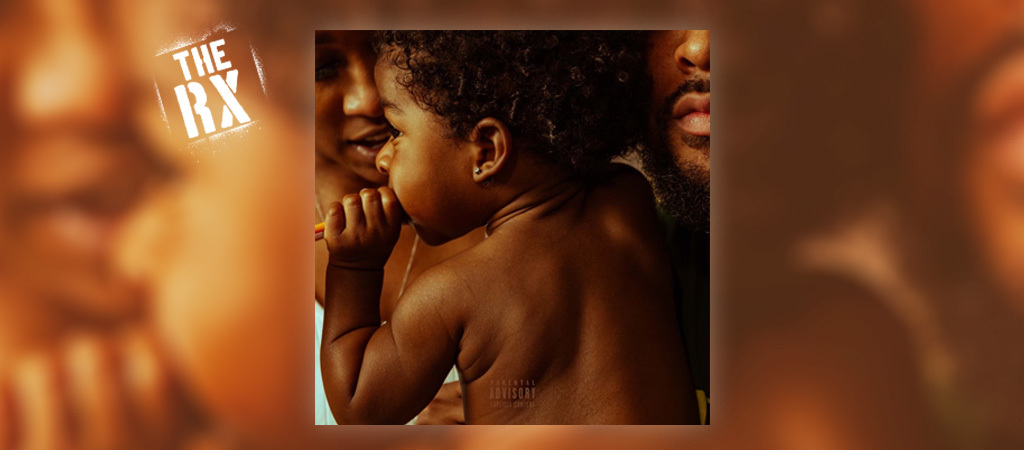
Rap Needs More Artists Like Deante’ Hitchcock And His Earnest Album, ‘Once Upon A Time’

The RX is Uproxx Music’s stamp of approval for the best albums, songs, and music stories throughout the year. Inclusion in this category is the highest distinction we can bestow and signals the most important music being released throughout the year. The RX is the music you need, right now.

Atlanta rapper Deante’ Hitchcock‘s second album, Once Upon A Time, offers a prime example of what rap needs more of. It’s got a clear, well-executed concept, head-nodding, instantly engaging production, and most importantly, the sort of earnest passion that denotes a serious artist who doesn’t take himself too seriously — i.e., one who’ll stick around and grow with the game long after “cooler” contemporaries have burned out or been exposed as lightweights.

There are some in my line of work for whom the above traits are ridiculous, deserving of derision and mockery. Just look at the reception to Chance The Rapper’s debut album, The Big Day, or the very existence of the term “dad rap.” The idea of maturity in hip-hop music would seem like anathema to an outsider, who might think the entire point of the genre was either aimless rebellion, ostentatious braggadocio, or mindless physical movement.

But from Deante Hitchcock’s 2020 debut album Better, the 30-year-old rapper always radiated self-possession and that above-mentioned maturity (I remarked about it in my review). He’s been likened to a combination of hometown hero T.I. and early benefactor J. Cole, and while there are those who might not consider that a good thing, there’s a reason both of those names ring bells in the wider hip-hop community. Commitment to craftsmanship and easygoing, relatable charisma shouldn’t be considered flaws.

In fact, the artists who’ve proven the most resilient have always had these qualities in abundance. In a genre where the average career peak only spans about five years and hitmakers can turn into has-beens seemingly overnight, the stalwarts who’ve outlasted rap fans’ minuscule attention spans and rapid attrition as hyperactive teens age into responsible adults tend to be those who are most passionate about the craft. The ones who can wrangle a concept, who make you root for them even when they don’t fit into the archetypes of the gangster, the pimp, the scumbag, or one of the other toxic molds rap marketing departments have come up with.

In other words, Deante’ Hitchcock should remind you of names like T.I. and J. Cole, as well as other Atlanta mainstays like Big Boi and Killer Mike, and deeply rooted grown-man rappers such as Common and Phonte Coleman. His peers are names like Denzel Curry and Big KRIT, who appears here on “Callin'” alongside Westside Boogie, another rapper who taps into his emotional growth and sharp-eyed environmental observations to flourish. And yes, he’s got the charm of an early Chance The Rapper, who despite being semi-written off by fans, deserves more respect for both his technical skills and business success.

Once Upon A Time, which tracks Hitchcock’s growth from club-crawling player to committed family man, is the prime example of why he belongs in such esteemed company. From the party-ready “Woah!” to the introspective “U Were Right I Was Wrong,” Hitchcock deconstructs and expands on what mid-2000s-era rap writers would have called the “for the ladies” track. While each song prescribes a different mood and premise, they are all unified by the context of the sort of song that would have represented a brief break in the gun talk to baldly — and occasionally, badly — appeal to any potential female fans.

That Hitchcock avoids dipping too deeply into the saccharine schmaltz of that subgenre of songs — save on “Drunk AF,” which sounds like something Chris Brown would have done around 2010 — is an impressive indicator of his talent and how earnestly he’s considered the subject matter.

When I interviewed Deante’ last summer, he said of this project, “If you look at the legends, the Drakes, the Jay-Z’s, the Waynes, all of them guys, the thing that separates them – because all of them are technically inclined, they’re skilled at what they do, all of them can rap their ass off, get crazy with it – but they also have songs that the world can sing. And I mean, being a rapper, a lot of people will hit me up and be like, ‘Bro, you be rapping your ass off.’ I’m very appreciative of that. Because that’s the skillset I’ve honed for years. But bro, I want hits.”

There are plenty of songs here that could be considered hits — “Zodiac,” “Thinking ‘Bout You,” “Late Night” — but the fact that the quieter, more thoughtful moments — “2 Special,” “Royal” — are just as sticky testify to the effort Hitchcock made, and the growth he’s experienced since Better. And that sort of authenticity and passion is just what hip-hop needs. With the genre being increasingly infiltrated by soulless AI creations, algorithmically-written bids for TikTok viral hits, and disaffected, cynical interests more focused on sucking the culture dry for profit, that there are artists like Hitchcock still making this kind of effort is heartening. The rap business needs more like him.

Once Upon A Time is out now on ByStorm Entertainment and RCA Records.


source https://uproxx.com/music/deante-hitchcock-once-upon-a-time-review/

Comments

Hip Hop and Music: A Cultural Evolution

Hip Hop and Music: A Cultural Evolution and What Listeners Look For Hip hop is more than just a genre of music; it is a cultural movement that has deeply influenced the world for over four decades. Originating in the South Bronx during the 1970s, hip hop was birthed from the creative expression of marginalized communities. What started as a fusion of DJing, breakdancing, graffiti art and MCing (rapping) quickly became a global phenomenon. Over the years, hip hop has expanded its reach, influencing various aspects of society, from fashion and language to politics and social movements. But what exactly do listeners seek when they tune in to their favorite hip hop tracks? Let’s explore.

The Evolution of Hip Hop Music

The Evolution of Hip Hop Music At its core, hip hop music is built on rhythm and lyricism. Early pioneers like DJ Kool Herc, Grandmaster Flash, and Run-D.M.C. laid the foundation for what we now recognize as hip hop. They mixed disco, funk, and soul beats with rhythmic rapping to create a unique sound. Through the 1980s and 1990s, iconic artists such as Tupac, The Notorious B.I.G., Nas, and Jay-Z further shaped the genre, adding deeper narratives that explored social issues, struggles, and triumphs.
In the 2000s, hip hop saw its golden age evolve into new sub-genres, from Southern hip hop (e.g., OutKast and Lil Wayne) to the rise of trap music (led by artists like Future, Gucci Mane, and Migos). Today, artists continue to experiment with hybrid sounds, blending trap with pop, rock, and electronic music, creating a more diverse landscape for the genre.

What Listeners Look for in Hip Hop Music

What Listeners Look for in Hip Hop Music While the genre has evolved, the heart of hip hop music still beats with certain core elements that listeners continue to seek. Here’s what attracts audiences to hip hop music:

1. Authenticity

One of the most important qualities of hip hop is its authenticity. Listeners are drawn to artists who stay true to themselves, their roots, and their experiences. Whether an artist is rapping about overcoming hardship, life in the streets, or personal triumphs, their genuineness resonates with fans. Authenticity gives hip hop its raw edge, connecting the artist's voice with listeners on a deeply personal level.

2. Lyricism and Wordplay

Hip hop has always been a platform for storytelling, and the craft of lyricism is highly valued. Fans look for clever wordplay, metaphors, punchlines, and deep storytelling in their favorite tracks. Rappers like Kendrick Lamar, J. Cole, and Nas are revered for their intricate lyricism and ability to convey powerful messages through their words. A song with sharp bars, vivid imagery, and emotional depth can elevate a listener’s connection to the music.

3. Beat and Production Quality

The beat is often the first thing people notice in a hip hop song. A catchy, hard-hitting beat can make or break a track, and producers play an integral role in shaping the sound of hip hop music. Producers like Dr. Dre, Kanye West, and Metro Boomin have become household names for their distinctive production styles. From boom-bap beats to trap drums, the instrumental elements are essential in drawing listeners into the rhythm and groove of the song.

4. Innovation and Evolution

Hip hop is known for its constant evolution. Fans of the genre are often on the lookout for artists who push boundaries and experiment with new sounds. This spirit of innovation keeps the genre fresh and exciting. From the rise of auto-tune with artists like T-Pain to the blend of electronic and rap seen with artists like Travis Scott, listeners are eager for new music that challenges the traditional limits of hip hop.

5. Vibe and Energy

Hip hop isn’t just about the lyrics or the beat—it’s also about the energy the music brings. Whether it’s a party anthem, an introspective track, or a political statement, the vibe and energy of a song play a crucial role in how it resonates with fans. Artists like Drake, Cardi B, and Lil Uzi Vert have mastered the art of creating tracks that make listeners feel a certain way, whether it’s hyped up, laid back, or reflective.

6. Relatability and Emotional Connection

Hip hop has always been an outlet for self-expression and commentary on life experiences. Because of this, listeners often gravitate toward songs that reflect their own lives, struggles, and aspirations. Whether it’s a song about the challenges of growing up in a tough environment, the celebration of personal success, or the experience of love and heartbreak, hip hop has the unique ability to connect emotionally with audiences. Fans often seek songs that speak to their individual journeys and provide comfort, validation, or empowerment.

The Global Reach of Hip Hop

What was once confined to the streets of New York City has now become a global cultural force. From Tokyo to Paris, hip hop has spread across continents, influencing artists and listeners worldwide. In recent years, artists from outside the U.S. have brought their own cultural influences to the genre, blending hip hop with local sounds, languages, and traditions. The genre’s global reach is a testament to its universal themes of struggle, self-expression, and empowerment.

Conclusion

Hip hop music is an ever-evolving cultural powerhouse that has grown from a localized subculture into a global sensation. The authenticity, lyricism, production quality, innovation, energy, and emotional depth are the main ingredients that attract listeners to hip hop. While the genre continues to change, its core values remain consistent—offering a space for self-expression, storytelling, and connection. As hip hop continues to evolve, it will undoubtedly remain a major force in shaping the future of music. Whether you’re a fan of classic boom-bap or modern trap, hip hop’s diverse range offers something for everyone, proving that its cultural impact is here to stay.