Lil Uzi Vert And Peso Pluma Brought Drag And Drama To Coachella 2024

Lil Uzi Vert
Philip Cosores

Coachella is still the best place to discover music that you otherwise wouldn’t or couldn’t. For example: on Friday, the first day of this year’s festival, the handful of hip-hop acts that I saw were mostly by accident (as the hip-hop editor, I would normally prioritize those, right?). But on my editor’s recommendation – and as a function of most of the rap acts being booked at the far-flung Sahara tent – I spent as much time taking in pop and indie acts as I did rappers (a random sighting of Tyler The Creator at Faye Webster notwithstanding).

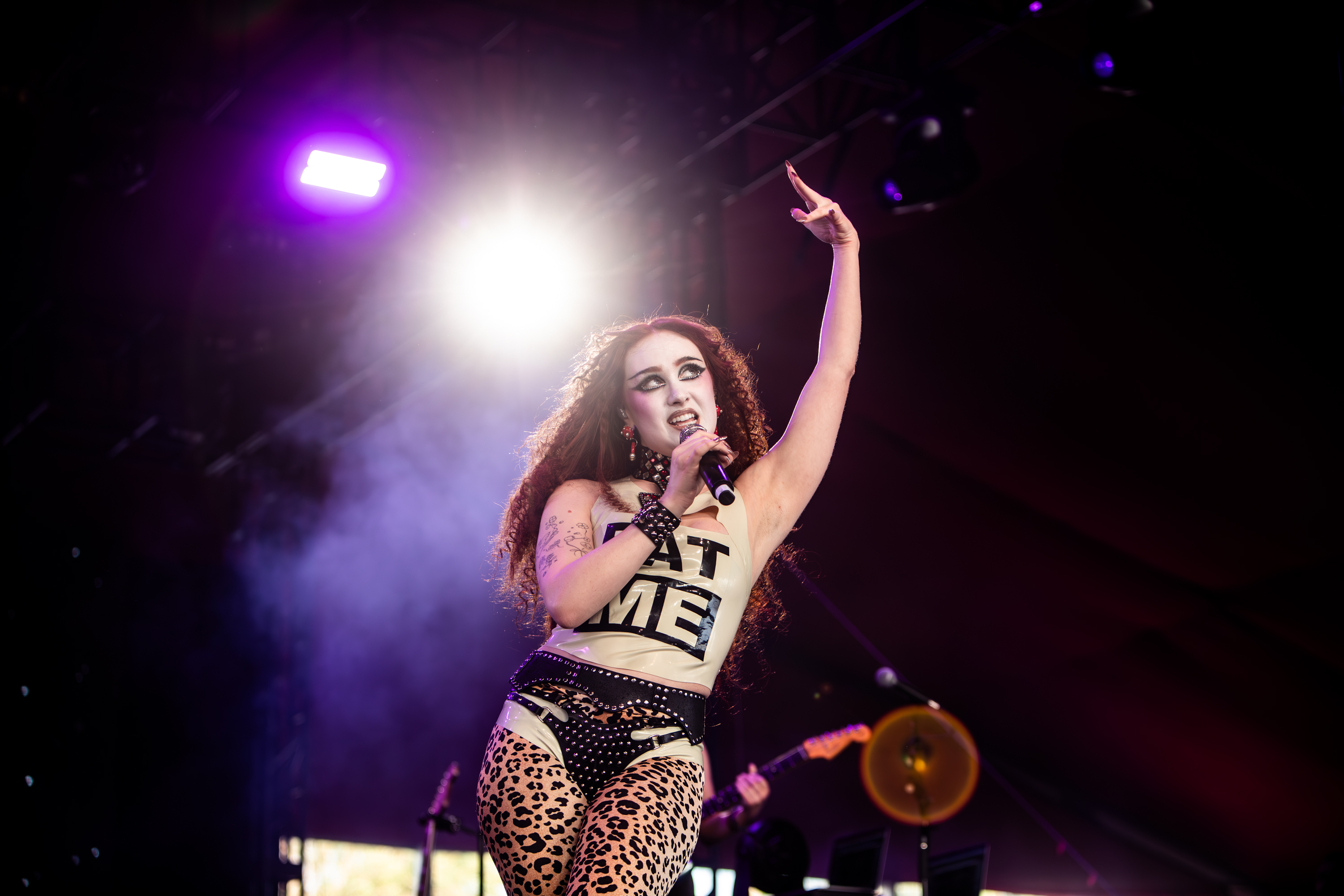
From the headliner, Lana Del Rey, to artists I had little to no experience with (hi, Chappell Roan!), my experience was younger, more melodic, and hey, let’s face it, whiter than in past years – though still surprisingly diverse. For what it’s worth, Sabrina Carpenter’s late afternoon set brought a level of storytelling that made her unfamiliar music that much easier to engage with.

Sabrina Carpenter
Philip Cosores

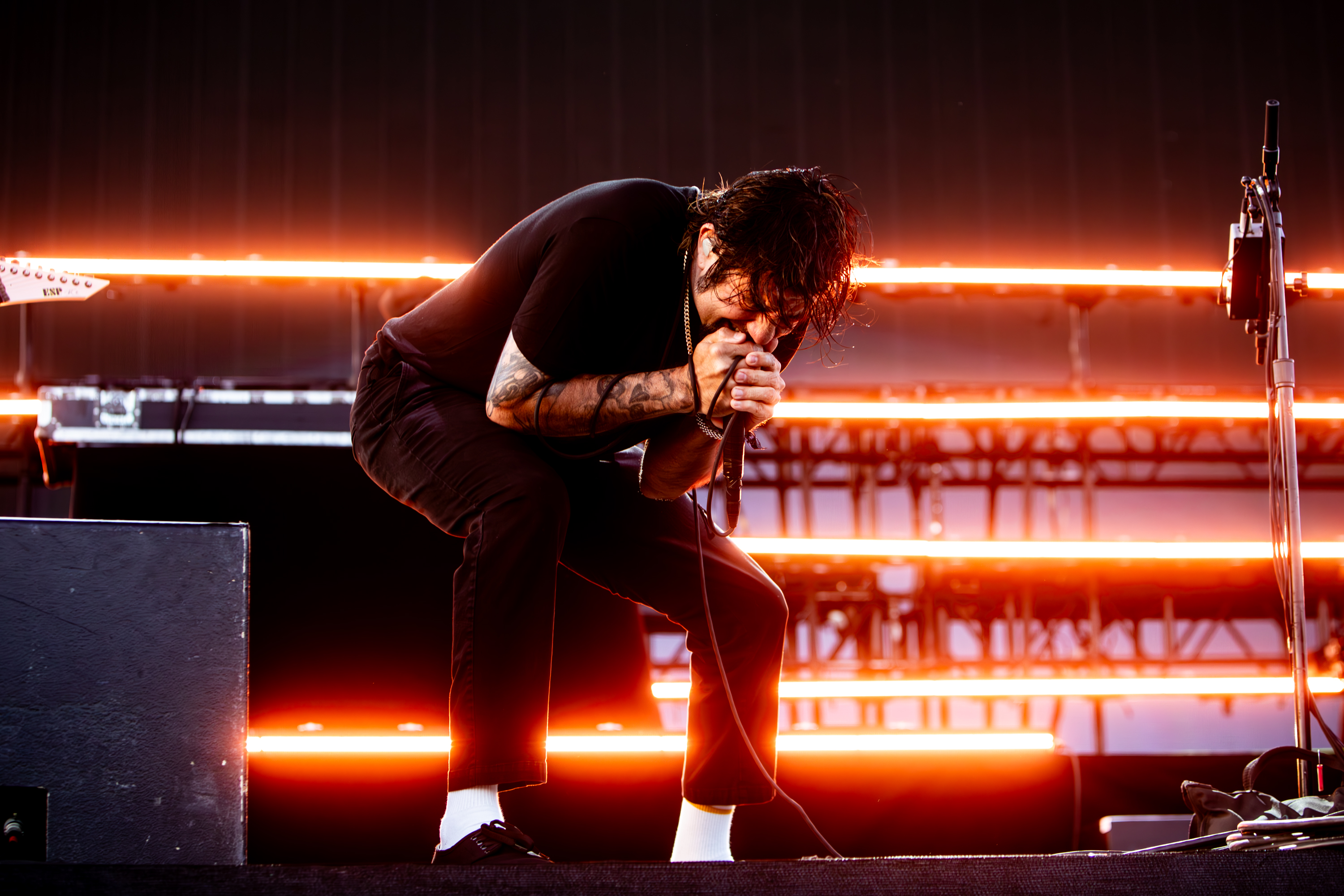
And sets like that of The Beths’ certainly did remind me of adolescent Saturdays spent watching The Adventures Of Pete And Pete on Nickelodeon, while the Deftones kicked me all the way back to my mid-’90s skate rat days. I could feel my nostalgia for that era peaking along with my anticipation for more of that feeling at future sets from No Doubt and Sublime (Beach til I die, y’all).
Deftones
Philip Cosores

Crowd-wise, you would probably be forgiven for thinking Beyoncé was giving a reprise of her memorable 2018 Beychella performance with all the country-western paraphernalia permeating the crowd. Cowboy hats and boots adorned just about every combination of ‘chella ensembles you could imagine – and a few that left almost nothing to the imagination. Those looks eventually gave way to “baked potato chic” thanks to the insane high winds as the sun fell and folks opted for the warmth of thermal foil blankets over trying to maintain the cute of cutoff shorts and mesh dresses.
Chappell Roan
Philip Cosores

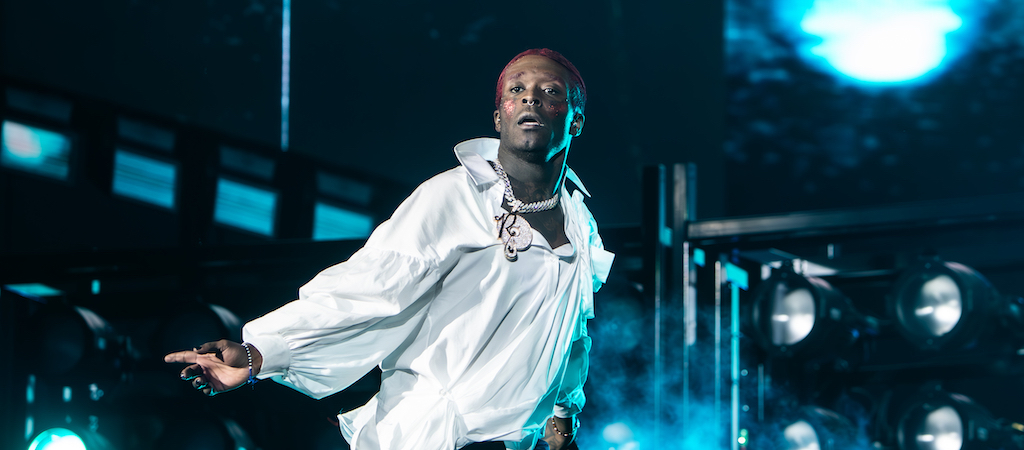
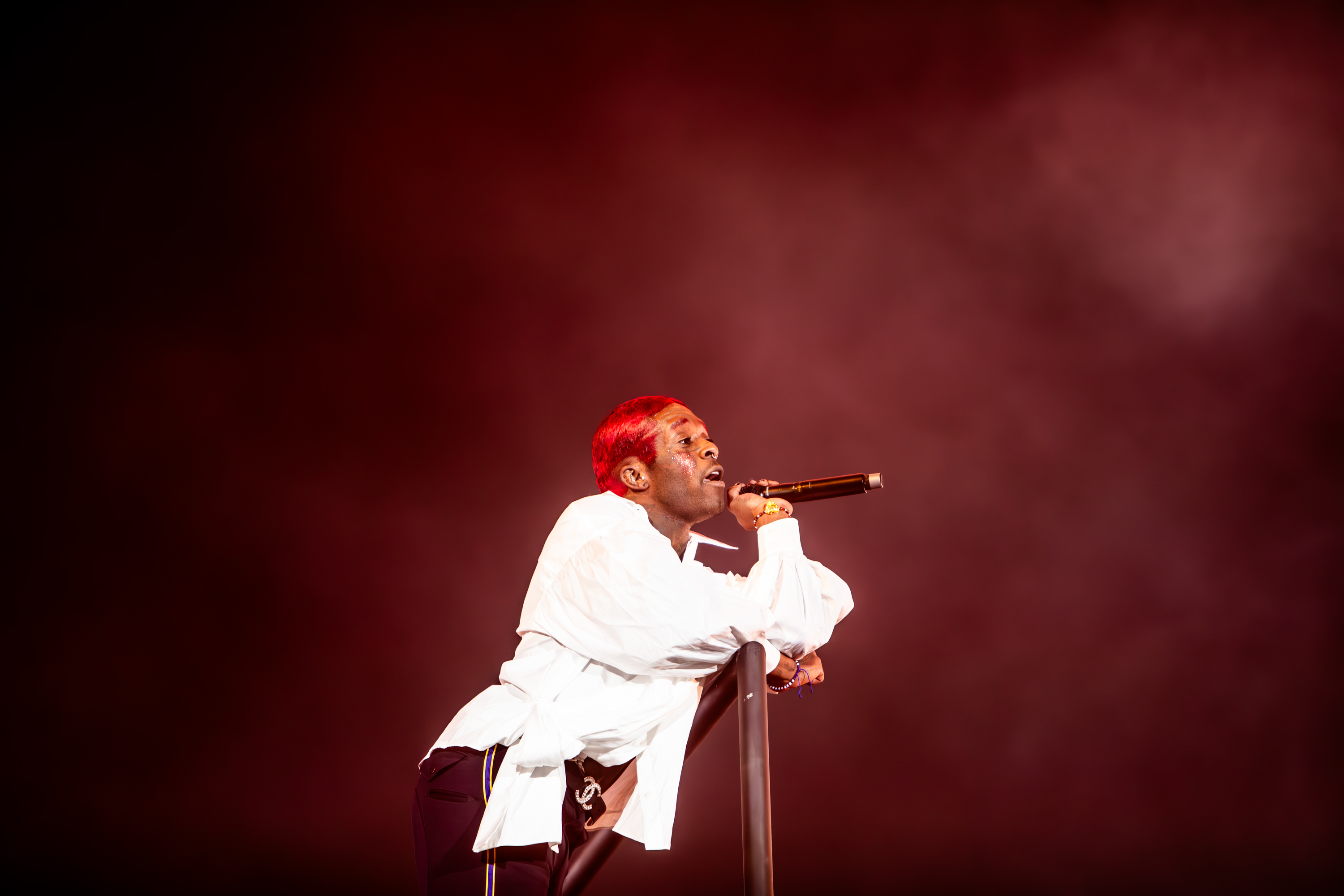
Of course, there was still plenty of my usual wheelhouse to check out. Lil Uzi Vert took to the big stage like a duck to water, complete with a headset mic like mid-’80s Madonna. They put it to good use with some crowd-pleasing voguing, and while it would have been nice to see a little more world building from Uzi‘s set, they pushed the boundaries of what future rappers could do with the big stage and proved worthy of the primetime set by sheer crowd draw alone; the field in front of the stage was so empty at first, that my editor and I actually remarked on it. Three songs later I couldn’t move more than a couple of inches in any direction. Let that be a lesson to Coachella’s bookers…hip-hop is still a huge draw at the festival, even when it seems absent.
Lil Uzi Vert
Philip Cosores

The trick to finding it this year was broadening horizons and checking for other cultures. Young Miko, a Puerto Rican rapper brought a surprising update to the traditional New York boom-bap sound, while Bizarrap found tons of space in his EDM-centric set for Latin trap and remixes of Travis Scott classics (and a surprise Shakira appearance). My Spanish isn’t as good as it should be for someone born and raised in Los Angeles county but even if I couldn’t catch every bar, I definitely caught a vibe – and so did the overflowing crowds at both sets.
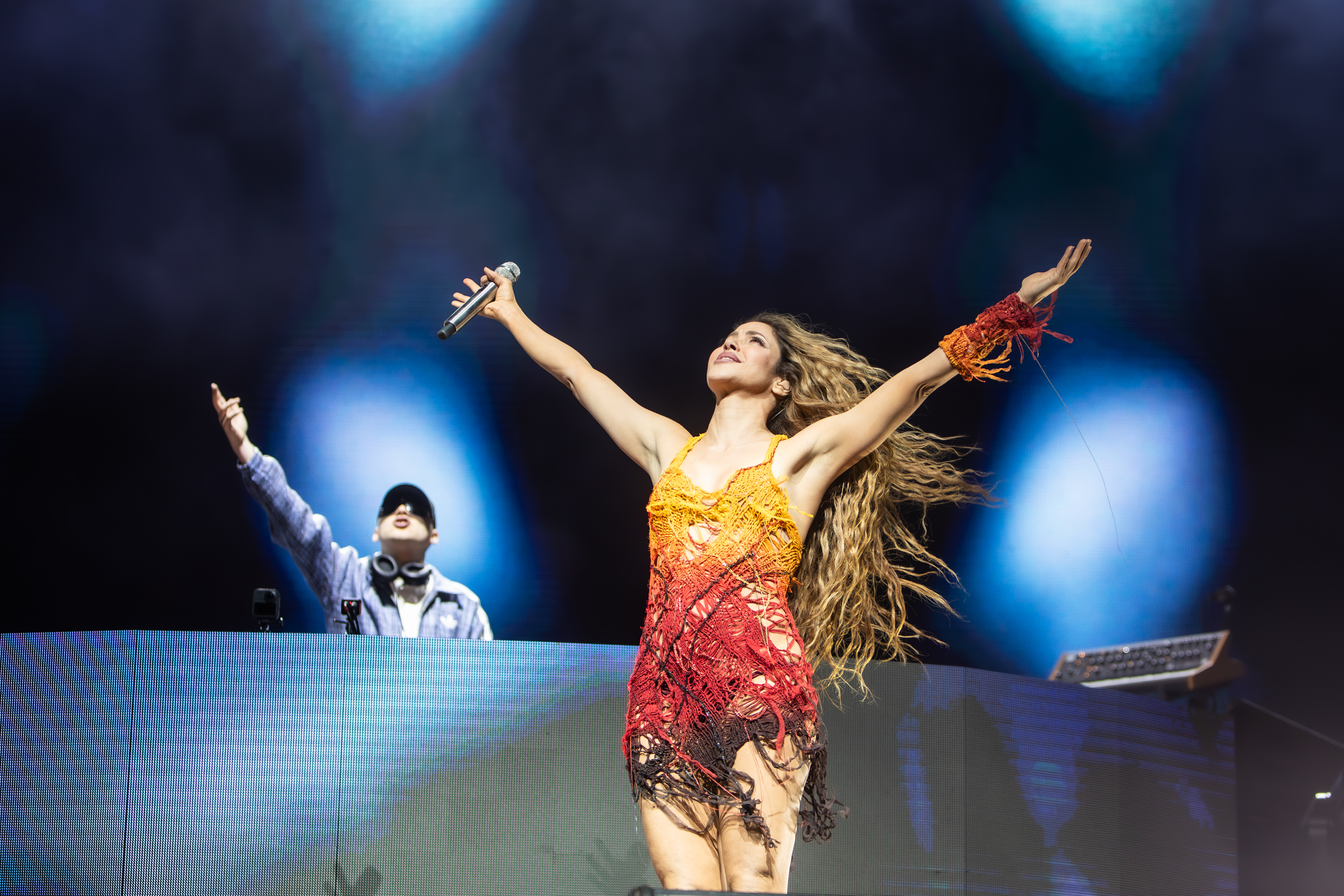
Shakira and Bizarrap
Philip Cosores

Meanwhile, the award for “Most Dramatic Set” undoubtedly goes to Peso Pluma, who enraptured social media with a seemingly incongruous combination of traditional Banda music and hip-hop-influenced dancing. Bookended by verbal interludes by MORGAN FREAKING FREEMAN, Peso illuminated an oft-overlooked and misunderstood cultural artifact. What is more hip-hop than that?
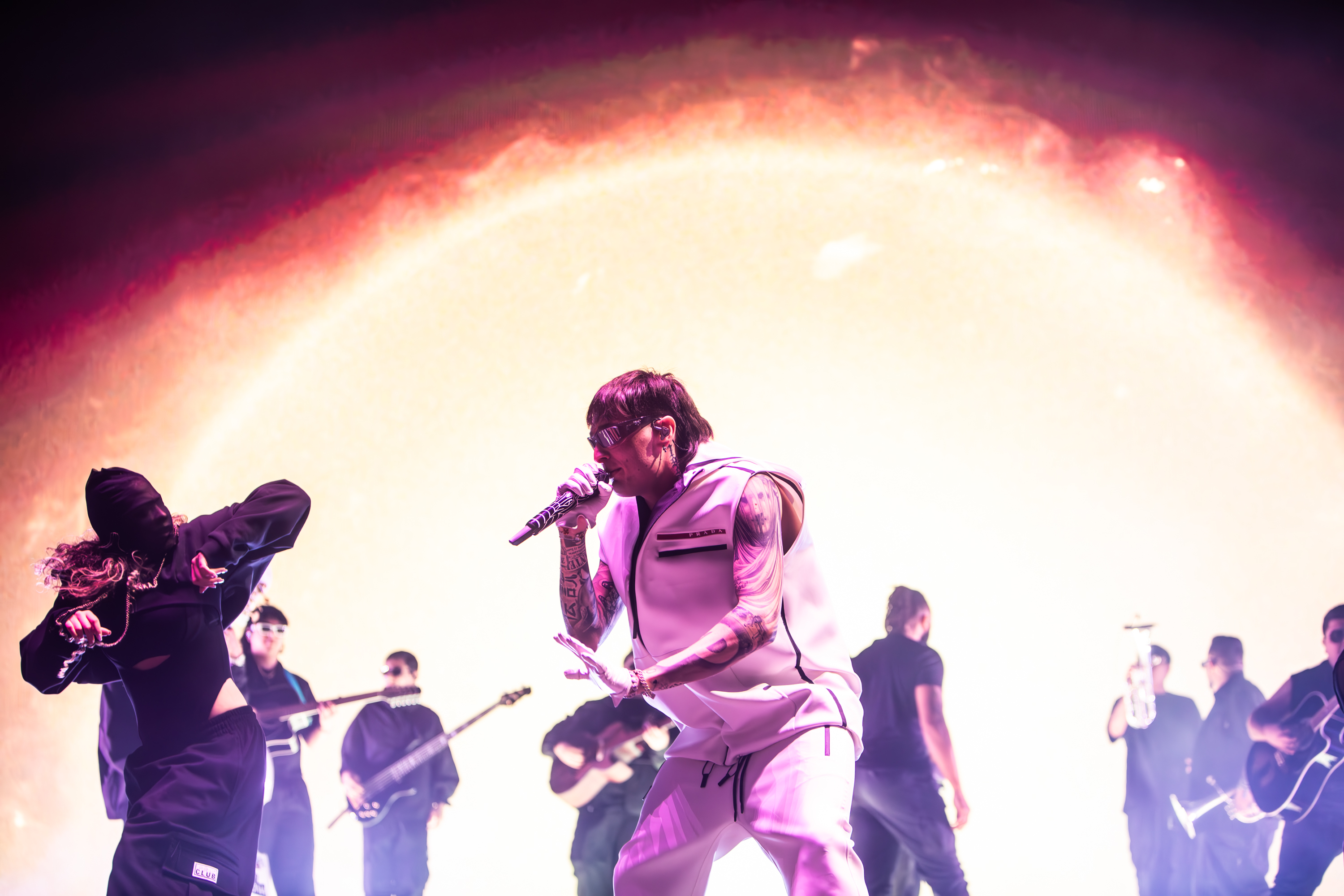
Peso Pluma
Philip Cosores

However, if there was a runner-up on that category, I’d be more than happy to give it to Lana Del Rey for pulling up through the crowd on the back of a motorcycle at the head of a line of bikers who rolled in to the sounds of her unreleased song “Jealous Girl” (which is still somehow a hit). She even went all-out with a hologram of herself that ruffled a few unlikely feathers.
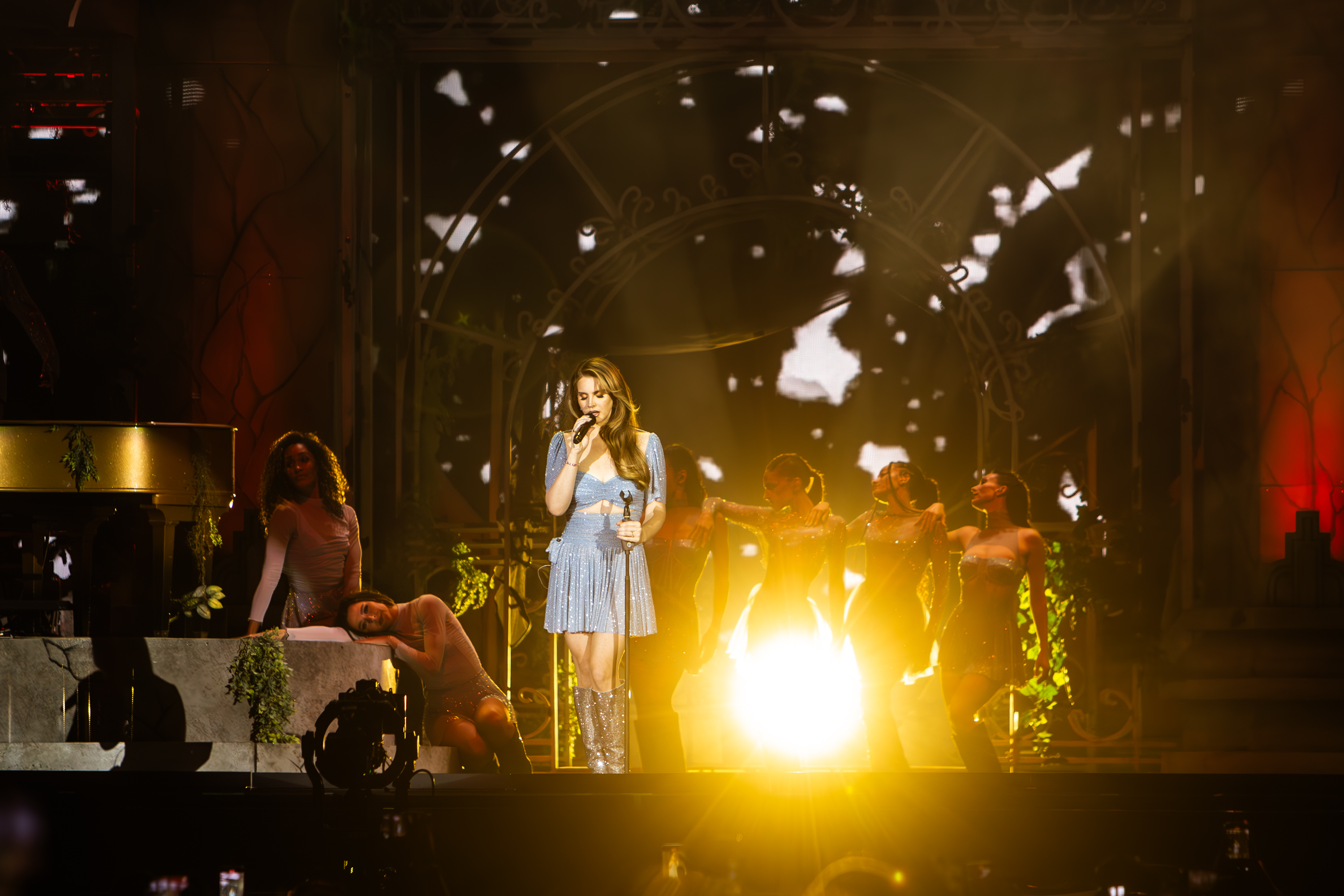
Lana Del Rey
Philip Cosores

A lot has been made of whether or not Coachella has fallen off in recent years (it’s a circular discussion, one we’ve heard for the past decade). Friday proved that there’s still plenty of road ahead – and that the festival is still the best place to discover your new favorite music, as long as you keep an open mind.

Some artists covered here are Warner Music artists. Uproxx is an independent subsidiary of Warner Music Group.


source https://uproxx.com/music/coachella-2024-friday-review-lil-uzi-vert-peso-pluma-lana-del-rey/

Comments

Hip Hop and Music: A Cultural Evolution

Hip Hop and Music: A Cultural Evolution and What Listeners Look For Hip hop is more than just a genre of music; it is a cultural movement that has deeply influenced the world for over four decades. Originating in the South Bronx during the 1970s, hip hop was birthed from the creative expression of marginalized communities. What started as a fusion of DJing, breakdancing, graffiti art and MCing (rapping) quickly became a global phenomenon. Over the years, hip hop has expanded its reach, influencing various aspects of society, from fashion and language to politics and social movements. But what exactly do listeners seek when they tune in to their favorite hip hop tracks? Let’s explore.

The Evolution of Hip Hop Music

The Evolution of Hip Hop Music At its core, hip hop music is built on rhythm and lyricism. Early pioneers like DJ Kool Herc, Grandmaster Flash, and Run-D.M.C. laid the foundation for what we now recognize as hip hop. They mixed disco, funk, and soul beats with rhythmic rapping to create a unique sound. Through the 1980s and 1990s, iconic artists such as Tupac, The Notorious B.I.G., Nas, and Jay-Z further shaped the genre, adding deeper narratives that explored social issues, struggles, and triumphs.
In the 2000s, hip hop saw its golden age evolve into new sub-genres, from Southern hip hop (e.g., OutKast and Lil Wayne) to the rise of trap music (led by artists like Future, Gucci Mane, and Migos). Today, artists continue to experiment with hybrid sounds, blending trap with pop, rock, and electronic music, creating a more diverse landscape for the genre.

What Listeners Look for in Hip Hop Music

What Listeners Look for in Hip Hop Music While the genre has evolved, the heart of hip hop music still beats with certain core elements that listeners continue to seek. Here’s what attracts audiences to hip hop music:

1. Authenticity

One of the most important qualities of hip hop is its authenticity. Listeners are drawn to artists who stay true to themselves, their roots, and their experiences. Whether an artist is rapping about overcoming hardship, life in the streets, or personal triumphs, their genuineness resonates with fans. Authenticity gives hip hop its raw edge, connecting the artist's voice with listeners on a deeply personal level.

2. Lyricism and Wordplay

Hip hop has always been a platform for storytelling, and the craft of lyricism is highly valued. Fans look for clever wordplay, metaphors, punchlines, and deep storytelling in their favorite tracks. Rappers like Kendrick Lamar, J. Cole, and Nas are revered for their intricate lyricism and ability to convey powerful messages through their words. A song with sharp bars, vivid imagery, and emotional depth can elevate a listener’s connection to the music.

3. Beat and Production Quality

The beat is often the first thing people notice in a hip hop song. A catchy, hard-hitting beat can make or break a track, and producers play an integral role in shaping the sound of hip hop music. Producers like Dr. Dre, Kanye West, and Metro Boomin have become household names for their distinctive production styles. From boom-bap beats to trap drums, the instrumental elements are essential in drawing listeners into the rhythm and groove of the song.

4. Innovation and Evolution

Hip hop is known for its constant evolution. Fans of the genre are often on the lookout for artists who push boundaries and experiment with new sounds. This spirit of innovation keeps the genre fresh and exciting. From the rise of auto-tune with artists like T-Pain to the blend of electronic and rap seen with artists like Travis Scott, listeners are eager for new music that challenges the traditional limits of hip hop.

5. Vibe and Energy

Hip hop isn’t just about the lyrics or the beat—it’s also about the energy the music brings. Whether it’s a party anthem, an introspective track, or a political statement, the vibe and energy of a song play a crucial role in how it resonates with fans. Artists like Drake, Cardi B, and Lil Uzi Vert have mastered the art of creating tracks that make listeners feel a certain way, whether it’s hyped up, laid back, or reflective.

6. Relatability and Emotional Connection

Hip hop has always been an outlet for self-expression and commentary on life experiences. Because of this, listeners often gravitate toward songs that reflect their own lives, struggles, and aspirations. Whether it’s a song about the challenges of growing up in a tough environment, the celebration of personal success, or the experience of love and heartbreak, hip hop has the unique ability to connect emotionally with audiences. Fans often seek songs that speak to their individual journeys and provide comfort, validation, or empowerment.

The Global Reach of Hip Hop

What was once confined to the streets of New York City has now become a global cultural force. From Tokyo to Paris, hip hop has spread across continents, influencing artists and listeners worldwide. In recent years, artists from outside the U.S. have brought their own cultural influences to the genre, blending hip hop with local sounds, languages, and traditions. The genre’s global reach is a testament to its universal themes of struggle, self-expression, and empowerment.

Conclusion

Hip hop music is an ever-evolving cultural powerhouse that has grown from a localized subculture into a global sensation. The authenticity, lyricism, production quality, innovation, energy, and emotional depth are the main ingredients that attract listeners to hip hop. While the genre continues to change, its core values remain consistent—offering a space for self-expression, storytelling, and connection. As hip hop continues to evolve, it will undoubtedly remain a major force in shaping the future of music. Whether you’re a fan of classic boom-bap or modern trap, hip hop’s diverse range offers something for everyone, proving that its cultural impact is here to stay.