Florida Rapper Foolio Is Dead At 26, After Being Shot While Celebrating His Birthday In Tampa
on
Get link
Facebook
X
Pinterest
Email
Other Apps
Instagram
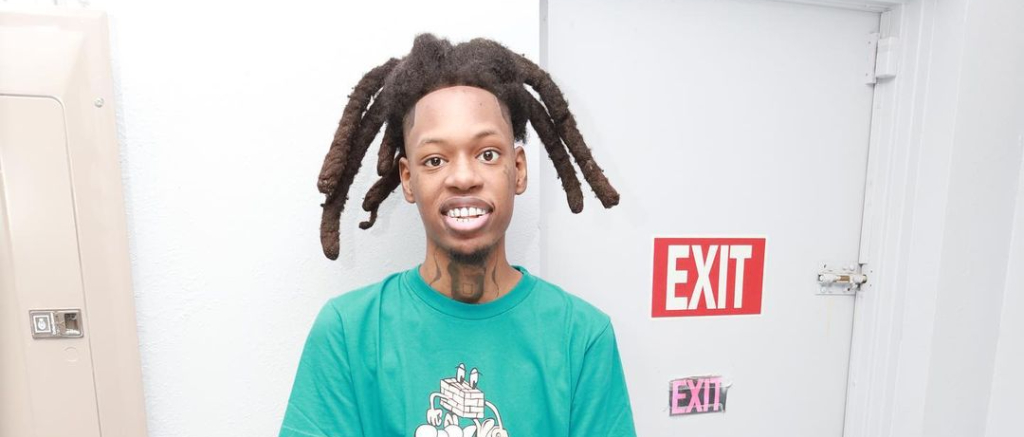
Tragedy has struck the Jacksonville, Florida rap community. Rising artist Foolio has died at the age of 26. The musician, known for his viral remix to Fantasia’s song “When I See You,” was reportedly shot and killed earlier today (June 23).
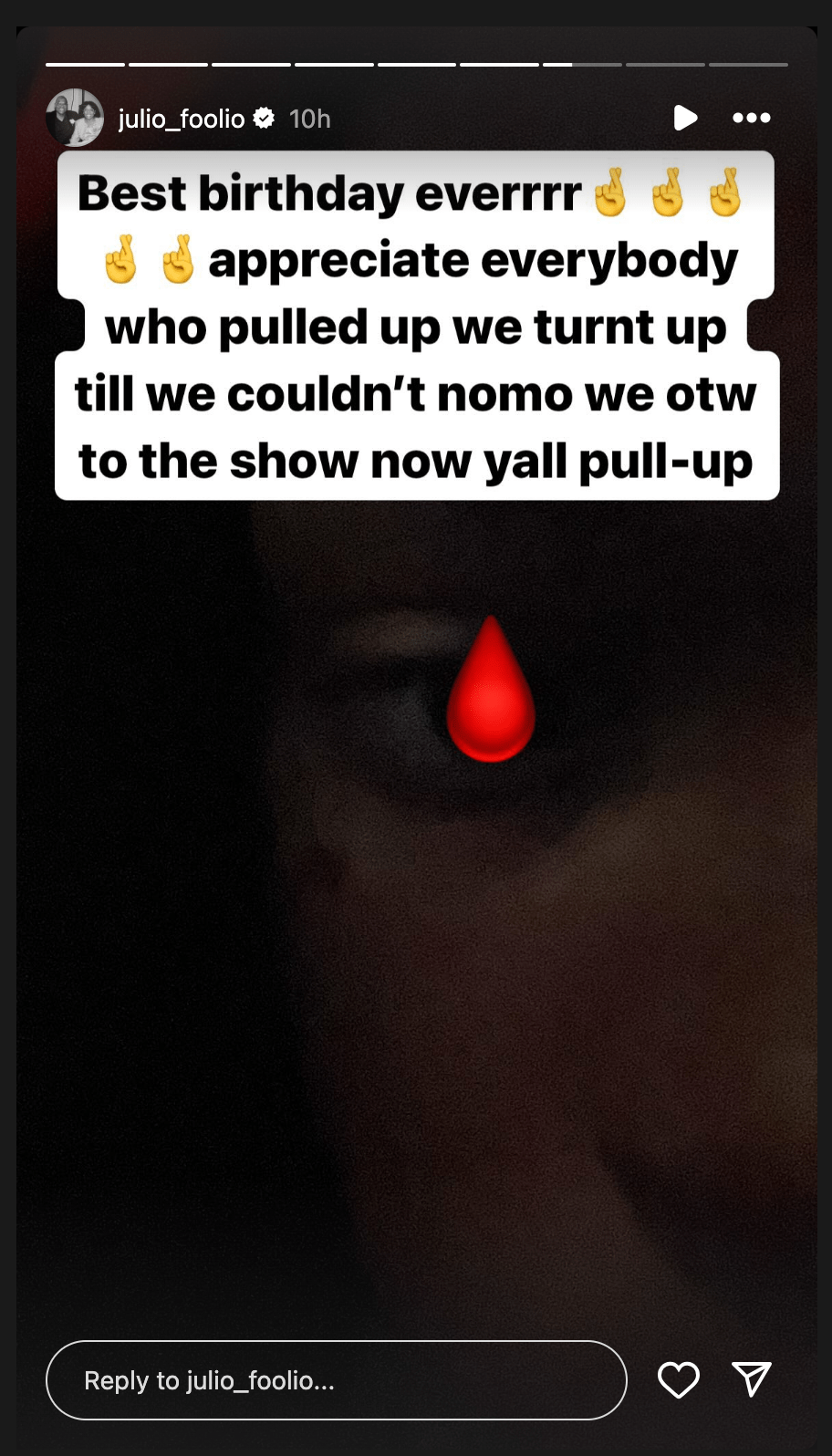
According to News4JAX, Foolio (real name Charles Jones) and several friends were believe to be celebrating his birthday (June 21) over the weekend at a private Airbnb rental.
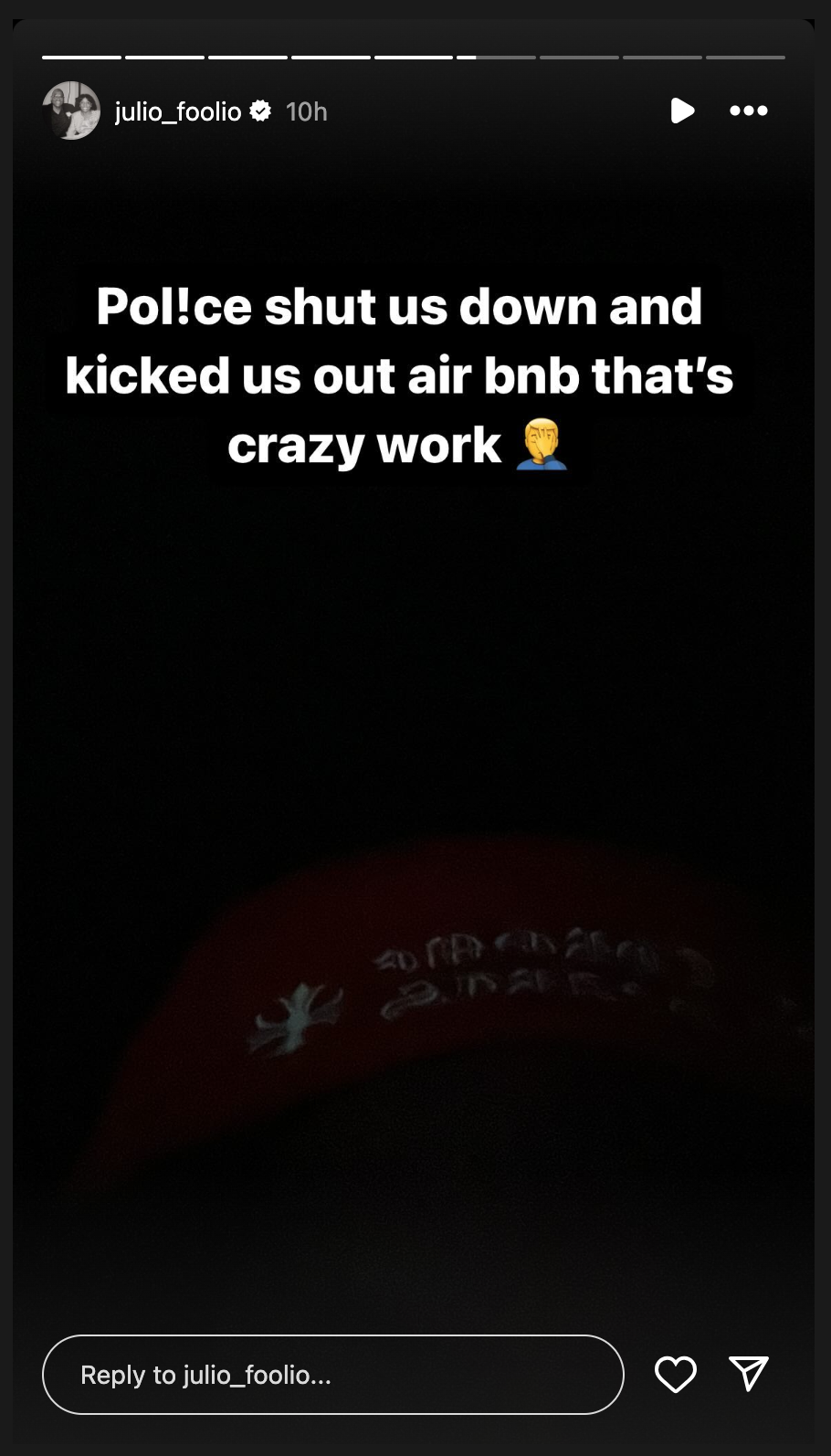
In a post shared to Jones’ official Instagram Stories, the late rapper claimed that police arrived to the location and shut down his promoted pool party. He then alleged that he was forced from the property’s grounds. Jones’ lawyer, Lewis Fusco, echoed that via his statement to the outlet.
InstagramInstagram
Some time after Fusco said, Jones secured a room at the Holiday Inn in Tampa, where we would reportedly be killed in the parking lot around 4:40 a.m.
“What we have learned, and this is early in the investigation, two cars were shot at,” said Joneé Lewis, public information officer for the Tampa Police Department. “The victim in this morning’s shooting is believed to be Charles Jones. Positive identification is pending confirmation from the Medical Examiner’s Office.”
According to officials, three other gunshot victims were taken to local hospitals. But, Lewis if confident they will make a full recovery. No arrests have been made at this time.
In 2023, Jones was shot in the foot in his hometown. Jones attempted to relocate after that incident and his then ongoing tension with fellow rapper Yungeen Ace, who is known for his Vanessa Carlton-sampling song “Who I Smoke.”
Hip Hop and Music: A Cultural Evolution and What Listeners Look For
Hip hop is more than just a genre of music; it is a cultural movement that has deeply influenced the world for over four decades. Originating in the South Bronx during the 1970s, hip hop was birthed from the creative expression of marginalized communities. What started as a fusion of DJing, breakdancing, graffiti art and MCing (rapping) quickly became a global phenomenon. Over the years, hip hop has expanded its reach, influencing various aspects of society, from fashion and language to politics and social movements. But what exactly do listeners seek when they tune in to their favorite hip hop tracks? Let’s explore.
The Evolution of Hip Hop Music
The Evolution of Hip Hop Music
At its core, hip hop music is built on rhythm and lyricism. Early pioneers like DJ Kool Herc, Grandmaster Flash, and Run-D.M.C. laid the foundation for what we now recognize as hip hop. They mixed disco, funk, and soul beats with rhythmic rapping to create a unique sound. Through the 1980s and 1990s, iconic artists such as Tupac, The Notorious B.I.G., Nas, and Jay-Z further shaped the genre, adding deeper narratives that explored social issues, struggles, and triumphs.
In the 2000s, hip hop saw its golden age evolve into new sub-genres, from Southern hip hop (e.g., OutKast and Lil Wayne) to the rise of trap music (led by artists like Future, Gucci Mane, and Migos). Today, artists continue to experiment with hybrid sounds, blending trap with pop, rock, and electronic music, creating a more diverse landscape for the genre.
What Listeners Look for in Hip Hop Music
What Listeners Look for in Hip Hop Music
While the genre has evolved, the heart of hip hop music still beats with certain core elements that listeners continue to seek. Here’s what attracts audiences to hip hop music:
1. Authenticity
One of the most important qualities of hip hop is its authenticity. Listeners are drawn to artists who stay true to themselves, their roots, and their experiences. Whether an artist is rapping about overcoming hardship, life in the streets, or personal triumphs, their genuineness resonates with fans. Authenticity gives hip hop its raw edge, connecting the artist's voice with listeners on a deeply personal level.
2. Lyricism and Wordplay
Hip hop has always been a platform for storytelling, and the craft of lyricism is highly valued. Fans look for clever wordplay, metaphors, punchlines, and deep storytelling in their favorite tracks. Rappers like Kendrick Lamar, J. Cole, and Nas are revered for their intricate lyricism and ability to convey powerful messages through their words. A song with sharp bars, vivid imagery, and emotional depth can elevate a listener’s connection to the music.
3. Beat and Production Quality
The beat is often the first thing people notice in a hip hop song. A catchy, hard-hitting beat can make or break a track, and producers play an integral role in shaping the sound of hip hop music. Producers like Dr. Dre, Kanye West, and Metro Boomin have become household names for their distinctive production styles. From boom-bap beats to trap drums, the instrumental elements are essential in drawing listeners into the rhythm and groove of the song.
4. Innovation and Evolution
Hip hop is known for its constant evolution. Fans of the genre are often on the lookout for artists who push boundaries and experiment with new sounds. This spirit of innovation keeps the genre fresh and exciting. From the rise of auto-tune with artists like T-Pain to the blend of electronic and rap seen with artists like Travis Scott, listeners are eager for new music that challenges the traditional limits of hip hop.
5. Vibe and Energy
Hip hop isn’t just about the lyrics or the beat—it’s also about the energy the music brings. Whether it’s a party anthem, an introspective track, or a political statement, the vibe and energy of a song play a crucial role in how it resonates with fans. Artists like Drake, Cardi B, and Lil Uzi Vert have mastered the art of creating tracks that make listeners feel a certain way, whether it’s hyped up, laid back, or reflective.
6. Relatability and Emotional Connection
Hip hop has always been an outlet for self-expression and commentary on life experiences. Because of this, listeners often gravitate toward songs that reflect their own lives, struggles, and aspirations. Whether it’s a song about the challenges of growing up in a tough environment, the celebration of personal success, or the experience of love and heartbreak, hip hop has the unique ability to connect emotionally with audiences. Fans often seek songs that speak to their individual journeys and provide comfort, validation, or empowerment.
The Global Reach of Hip Hop
What was once confined to the streets of New York City has now become a global cultural force. From Tokyo to Paris, hip hop has spread across continents, influencing artists and listeners worldwide. In recent years, artists from outside the U.S. have brought their own cultural influences to the genre, blending hip hop with local sounds, languages, and traditions. The genre’s global reach is a testament to its universal themes of struggle, self-expression, and empowerment.
Conclusion
Hip hop music is an ever-evolving cultural powerhouse that has grown from a localized subculture into a global sensation. The authenticity, lyricism, production quality, innovation, energy, and emotional depth are the main ingredients that attract listeners to hip hop. While the genre continues to change, its core values remain consistent—offering a space for self-expression, storytelling, and connection. As hip hop continues to evolve, it will undoubtedly remain a major force in shaping the future of music. Whether you’re a fan of classic boom-bap or modern trap, hip hop’s diverse range offers something for everyone, proving that its cultural impact is here to stay.
Comments
Post a Comment